
Skills
Unscathed skill trees and traits — all 7 trees and 193 nodes, the 16 passive traits, and the best builds for farming, Story Mode and PvP.
Introduction
The skill tree system in Unscathed is your long-term character investment, offering seven trees — Alchemist, Defense, Luck, Blacksmith, Roll, Strategist and Attack — with a combined 193 nodes of build customization. Each tree focuses a different part of your playstyle: Luck and Roll shorten the aura grind, Attack and Strategist power PvP and boss damage, Alchemist boosts potion effectiveness, Blacksmith improves crafting, and Defense keeps you alive. Skill Points are earned through leveling and spent on nodes, and they can be reset through a dev product if you want to experiment. Traits add a second layer, with 16 passive modifiers like Surging Haste and Primal Ascension that roll onto gems. Choosing where to invest is the difference between a generic account and a build that dominates its chosen content.
Skill Trees Overview
| Tree | Focus | Best For |
|---|---|---|
| Alchemist | Potion duration and effect | Potion-heavy grinding |
| Defense | HP, armor and survivability | Story Mode and tank builds |
| Luck | Aura pull luck | The aura grind |
| Blacksmith | Crafting and materials | Equipment progression |
| Roll | Roll speed and efficiency | Long rolling sessions |
| Strategist | Combat tactics and counters | PvP and boss fights |
| Attack | Damage and critical strikes | PvP burst and boss DPS |
Tree Breakdown
Luck Tree
The tree that raises aura pull luck and directly shortens the grind.
Roll Tree
The tree that speeds up rolling for more attempts per potion stack.
Attack Tree
The damage tree that boosts output and critical strikes for combat.
Strategist Tree
The tactics tree that improves counters and combat decision-making.
Alchemist Tree
The potion tree that improves effect and duration for grind efficiency.
Defense Tree
The survival tree that adds HP and armor for harder content.
Blacksmith Tree
The crafting tree that improves equipment recipes and material value.
Core Mechanics
Skill Points are the currency of the skill tree, earned by gaining levels and spent on nodes across seven trees. Each tree contains nodes that modify a specific system — Luck nodes raise aura pull luck, Roll nodes speed up rolling, Attack nodes boost damage and crit, Defense nodes add HP and armor, Alchemist nodes improve potion effect and duration, Blacksmith nodes enhance crafting, and Strategist nodes improve combat tactics and counters. Because Skill Points are finite, builds are defined by where you choose to invest, and the reset dev product lets you redistribute points to try a different direction. Traits form a parallel system: 16 passive modifiers like Surging Haste and Primal Ascension roll onto gems and can be rerolled at Flow, adding a second layer of build depth on top of the trees.
Advantages
The skill tree gives you meaningful long-term agency over your build, so the account you grow is genuinely yours. Because Luck and Roll trees directly shorten the aura grind, even a simple investment plan speeds up every future session, and the compounding nature of nodes makes early investment extremely efficient. The seven-tree structure supports many playstyles — a potion-heavy Alchemist, a tanky Defense build, or a burst-focused Attack build — so you can specialize to your favorite content. Traits add a chase layer on top, with strong rolls like Surging Haste and Primal Ascension rewarding gem investment. Because the trees compound — Luck makes every roll better and Roll makes more rolls — a modest early investment grows into a massive endgame advantage that no single item can match.
Challenges
Skill Points are a slow resource, so a poor early investment can feel punishing before you earn enough to fill out a real build, and the reset dev product costs money for players who do not want to start over. Because the trees are deep, new players face analysis paralysis trying to plan 193 nodes, and the meta is young enough that some nodes are likely underpowered until balance patches. Traits add a second random layer — rerolling for a specific trait like Primal Ascension can consume substantial Cash and materials. And because the meta is young, some nodes are likely under-tuned until balance patches, so an unlucky early build can feel weak until the developer rebalances the trees.
Frequently Asked Questions
Which skill tree should I invest in first?+
How do I get more Skill Points?+
Can I reset my skill points?+
What are traits and how do they work?+
Quick Tips
Invest in Luck and Roll early. The compounding effect of better pull odds and faster rolls shortens every future grind, making these the most efficient first trees in the game. Skill points are finite, so the compounding gain from Luck and Roll early means every later session produces more with less effort.
Plan around a reset budget. Since the reset costs a dev product, map out your build path before spending points and follow community guides to avoid wasting early investment on weak nodes. A written build plan prevents expensive reset purchases and keeps your early points from being wasted on nodes you never use.
Hunt traits in parallel with your trees. Trait rerolls at Flow and skill-tree nodes both multiply your effectiveness, so farm materials and Cash for both instead of finishing one system first. Both systems multiply the same result — better pulls and faster clears — so feeding them together is more efficient than maxing one first.
Featured

Unscathed Skill Tree: Full Skills Guide & Point Allocation
This Unscathed skill tree guide covers all skills, skill points, how to get and reset skill points, and the recommended skill order to optimize your build.
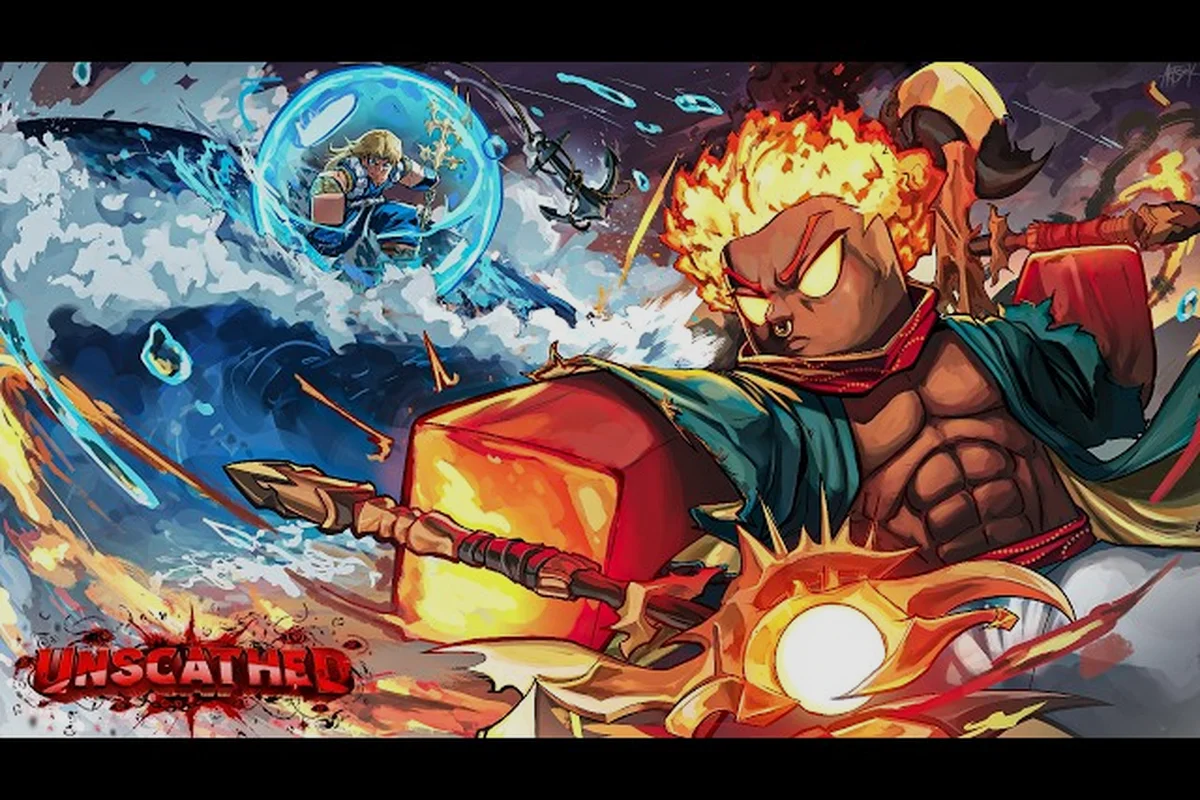
Unscathed All Traits: Best Traits, Reroll & Primal Ascension
This Unscathed all traits guide ranks the best traits, trait reroll cost, and the Surging Haste and Primal Ascension passives for every build.

Unscathed How Traits Work: Tier List, Farming & PvP Picks
This Unscathed guide explains how traits work, the trait tier list, best traits for farming, PvP, and story, plus the ideal skill build order.
All Articles

Unscathed Skill Tree Reset Cost: Max Level Price Guide
This Unscathed guide explains skill tree reset cost, the max skill tree, skill tree leveling, the 2026 skill tree guide, and the stat guide.

Unscathed Build Guide: Luck, Damage, Farming & Tank Builds
This Unscathed build guide covers the luck build, damage build, farming build, and tank build, plus the recommended skill order and stat priorities for each.
Unscathed Reset Skill Points: Rebuild Your Whole Build
This Unscathed guide explains how to reset skill points, the best skill tree, best build, and Alchemist, Defense, Luck, and Blacksmith trees.

Unscathed Roll Skill Tree: Nodes, Best Skills & Passives
Master the Unscathed roll skill tree, strategist tree, attack tree, skill tree nodes, best skills, passive skills, and the trait guide in this deep dive.