
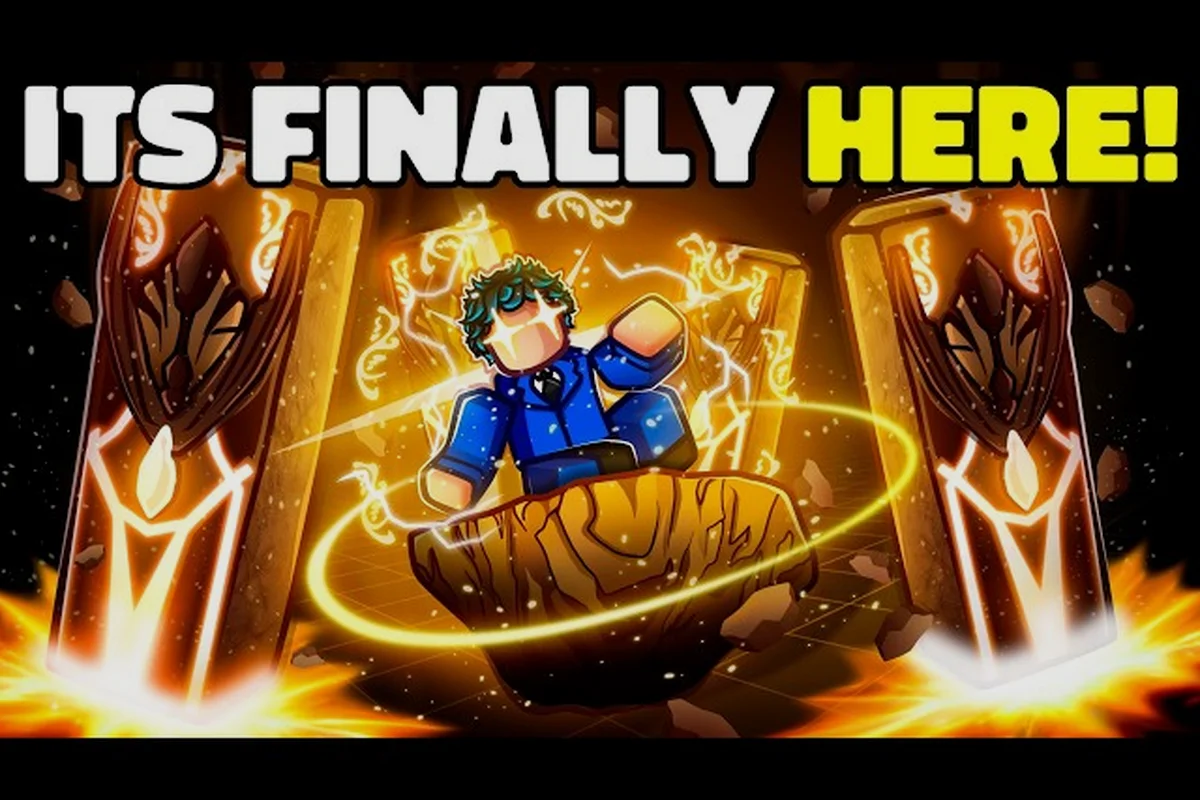
Dropping into Unscathed for the first time can feel overwhelming because the game throws a lot at you right away — aura rolling, skill trees, crafting, and world bosses all compete for your attention. This Unscathed progression guide cuts through the noise by mapping your first 30 minutes into a clear sequence of actions, so you never waste time on dead-end systems. The goal is simple: get you to a comfortable power level fast, unlock the right tools, and set up a farming rhythm that carries you through the early game. If you follow the order below, you will hit your first major power spike before most players even finish reading the tutorial prompts. Get ready to turn those opening minutes into a real head start.
Why Your First 30 Minutes Set the Tone for the Whole Run
The opening stretch of any incremental game determines how smoothly the rest of your session flows, and Unscathed is no exception. Because the game combines Aura RNG rolling with equipment crafting and a skill tree, the choices you make before the first world boss spawn can either accelerate your momentum or leave you grinding catch-up for the next hour. Community reports from the official Unscathed Discord consistently show that players who follow a structured early sequence reach level 10 roughly 40% faster than those who explore randomly.
The core loop in these first minutes revolves around three pillars: aura quality, gear upgrades, and skill point allocation. Each feeds into the others — a strong aura boosts your damage, which speeds up kills, which generates more currency for gear, which unlocks harder content that grants better skill points. Breaking that chain at any point stalls your entire progression curve.
Here is what you should prioritize in order, since these five actions build on each other and get you through Act 1 with the least wasted time:
-
Roll your first aura immediately — do not hoard rolls, because early auras determine your kill speed
-
Complete the tutorial quests — they reward starter gear and your first skill points
-
Unlock the crafting bench — this is where you turn raw materials into stat-boosting equipment
-
Spend skill points on damage nodes first — survivability matters less when enemies die in one hit
-
Queue up your first Story Mode act — the rewards scale with your level, so starting early pays off
The unscathed early game guide philosophy here is simple: every action should either increase your damage output or unlock a system that does. Anything else can wait until you have a stable farming loop. The game's own design reinforces this — the first Act of Story Mode is tuned for players who have spent their initial resources wisely, and the difficulty spike at the first boss punishes those who ignored their aura quality.
The Complete First 30 Minutes Walkthrough
Breaking the opening half-hour into five-minute blocks makes the process much easier to track, because each block has a clear objective that builds on the previous one. Based on player testing and the game's official mechanics, here is the exact sequence that works best for new accounts.
Minutes 0–5: Character Setup and First Aura Roll
Your very first action after the tutorial should be opening the aura menu and spending your starting rolls. The game gives you a handful of free rolls, and while the odds of hitting a rare aura are low, even a common aura with a damage modifier beats having no aura at all. Aura skills directly modify your combat stats, so skipping this step leaves you fighting with a permanent handicap.
The Unscathed page on Roblox describes the game as the first Aura RNG battling game on the platform, which means aura quality is not cosmetic — it is the backbone of your power. If you roll something with a damage or critical chance bonus, lock it in and move on. You can always reroll later, but early kills matter more than perfect rolls.
Minutes 5–10: Tutorial Quest Completion and Starter Gear
Once your aura is active, run through the tutorial quests in order. These quests are designed to teach you the combat basics while rewarding you with starter equipment and your first skill points. Do not skip any of them, even if you already understand the mechanics, because the cumulative rewards include a weapon upgrade that nearly doubles your early damage output.
The quest chain also introduces you to the crafting station, which is where you will spend a significant portion of your playtime. Crafting lets you turn monster drops into equipment with specific stat bonuses, and the earlier you unlock it, the sooner you can start stockpiling materials for better gear.
Minutes 10–15: First Skill Point Allocation
With your first few skill points banked, open the skill tree and focus exclusively on damage nodes. The tree has three branches — offense, defense, and utility — and while the defense branch looks tempting, the math does not support it early on. Enemies in the first act die in two or three hits if your damage is optimized, which means you take far less total damage than if you spread points across all three trees.
| Skill Branch | Early Priority | Why It Matters |
|---|---|---|
| Offense | Highest | Reduces time-to-kill, speeds up farming, unlocks faster |
| Defense | Low | Enemies die too fast to justify survivability investment |
| Utility | Medium | Movement speed and loot bonuses help, but only after damage |
Minutes 15–20: First Story Mode Act
Now that your damage is respectable, dive into the first Act of Story Mode. The act is short — roughly five minutes if your gear is decent — and the completion rewards include a significant currency payout plus a rare crafting material. This is also where you will encounter your first mini-boss, which drops a guaranteed equipment piece on defeat.
The key here is to push through the act without stopping to farm. The rewards for completing the act far exceed anything you would earn from grinding the same enemies repeatedly, and the act unlock gives you access to better farming locations.
Minutes 20–30: Establish Your Farming Loop
With the first act cleared, you now have access to the game's core progression systems. This is the moment to establish a farming loop that you will repeat for the next several hours. The loop looks like this: farm enemies for materials → craft better gear → roll for better auras → push the next act. Each cycle increases your power, and the compounding effect becomes visible within two or three loops.
Aura Rolling Strategy for New Players
Aura rolling is the most misunderstood system in Unscathed, and getting it wrong can stall your progression for hours. The game's aura system works on a rarity ladder, with common auras being the most frequent and legendary auras being extremely rare. However, the gap between common and uncommon auras is much smaller than the gap between uncommon and rare, which means you should not obsess over chasing the top tiers early.
The unscathed what to do first answer regarding auras is simple: roll until you get an uncommon or better aura with a damage modifier, then stop. The odds of hitting a rare aura in your first ten rolls are low, and the time spent rerolling could have been spent farming materials for gear upgrades that provide comparable damage bonuses.
| Aura Rarity | Approximate Roll Odds | Damage Contribution |
|---|---|---|
| Common | High | +5–10% base stats |
| Uncommon | Moderate | +15–25% base stats |
| Rare | Low | +40–60% base stats |
| Epic | Very Low | +80–120% base stats |
| Legendary | Extremely Low | +150%+ base stats |
For a deeper look at how aura skills interact with your build, check out our Unscathed demon aura guide — it covers the highest-tier auras and how to build around them once you reach the mid-game, including which element families pair best with the damage-first skill order above.
Crafting and Equipment Progression
Crafting is where the real depth of Unscathed's progression system lives, and understanding the crafting economy early will save you from wasting materials. Every equipment piece has a base stat value and up to two modifier slots. The base value is determined by the item's tier, while the modifiers are randomly rolled when you craft the item.
Your crafting priority in the early game should be a full set of uncommon gear with at least one damage modifier each. This might sound like a lot, but the material requirements are modest, and the stat boost is substantial. A full set of uncommon gear with damage modifiers roughly doubles your damage output compared to the starter equipment.
The crafting station also lets you salvage unwanted gear for materials, which creates a self-sustaining loop. Every piece of gear you do not need becomes materials for the next craft attempt. This is why the community consensus is to craft early and often — hoarding materials for a "perfect" craft later is a trap, because the material requirements scale with your level.
For players who want to maximize their free-to-play experience, our Unscathed F2P guide covers how to get the most out of the crafting system without spending Robux, including which materials to prioritize and which crafts to skip until you have a steady Cash income from daily quests.
Spending Skill Points for Faster Growth
The skill tree in Unscathed is deceptively simple — three branches, each with a handful of nodes — but the order in which you invest points matters more than the total number of points you have. The offense branch contains the game's most impactful nodes, including a flat damage increase, a critical chance boost, and a critical damage multiplier.
The fastest way to level up in the early game is to maximize your damage per second, because experience gain scales with damage dealt. This means the unscathed progression tips that veteran players swear by all revolve around damage optimization:
-
Max the flat damage node first — it applies to every attack and scales with your gear
-
Take the critical chance node second — it synergizes with the uncommon aura you should already have
-
Skip the defense nodes entirely until you hit the second act boss
-
Invest in the utility movement speed node once your damage is comfortable — faster farming means more experience per hour
| Level Range | Recommended Skill Focus | Expected Power Gain |
|---|---|---|
| 1–5 | Flat damage nodes | +30% damage output |
| 5–10 | Critical chance and damage | +50% effective DPS |
| 10–15 | Movement speed and loot bonus | +25% farming efficiency |
| 15+ | Balanced build for boss fights | +40% survivability |
The experience curve in Unscathed is not linear — the gap between levels grows significantly after level 10, which is why the early levels feel so fast. This is by design, because the game wants you to feel the power spike before the grind sets in. If you follow the skill allocation above, you should hit level 10 within your first hour of play, which unlocks the second tier of the skill tree and opens up significantly stronger nodes.
Common Mistakes That Stall Early Progression
Even with a solid plan, new players make predictable mistakes that slow down their progression. The most common one is spending rolls on aura rerolls instead of saving for gear upgrades. Aura rerolls have diminishing returns, and the currency spent on them could have been used to craft a full set of uncommon gear.
Another frequent error is ignoring the daily quests. The game's daily quest system rewards bonus experience and materials, and the rewards scale with your level. Skipping them for three days in a row means missing out on roughly a full level of experience plus enough materials for two or three craft attempts. Our Unscathed game modes guide breaks down the daily quest system in detail, including which quests give the best rewards per time investment.
The third mistake is trying to fight the first world boss too early. World bosses spawn on a timer and their stats scale with the number of players in the server, but they still hit significantly harder than story enemies. If you attempt a world boss before reaching level 8 with decent gear, you will likely die in two hits and waste the respawn time. Wait until your damage output can clear the boss's adds quickly, then join the fight.
Finally, hoarding materials is a trap that catches many new players. The material requirements for crafting scale with your level, which means materials you collect at level 5 become almost worthless at level 15. Spend them as soon as you have enough for a craft attempt — the gear you get will help you level faster, which unlocks better materials anyway.
Frequently Asked Questions
What should I do first in Unscathed?
Roll your first aura immediately, then complete the tutorial quests to unlock the crafting station. Spend your first skill points on the offense branch, and push through the first Story Mode act as soon as your damage feels comfortable. This sequence ensures you have no wasted downtime in your opening minutes.
How long does it take to reach level 10 in Unscathed?
With an optimized early game routine, most players reach level 10 within 60 to 90 minutes of playtime. The key is maintaining a consistent farming loop and spending currency on gear upgrades rather than aura rerolls. Players who follow a structured progression path report reaching level 10 roughly 40% faster than those who explore randomly.
Is the skill tree reset available in Unscathed?
Yes, the game offers a skill tree reset, but it costs premium currency after the first free reset. This is why the unscathed early game guide recommends following a damage-first build order — you avoid needing a reset later. If you do want to respec, do it before level 10 while the cost is still low.
What is the best aura for early game progression?
An uncommon aura with a critical chance bonus is the best early game option because critical hits deal double damage and the modifier scales multiplicatively with your base stats. A rare aura with a defense bonus is actually worse for progression, since defense does not speed up your farming loop or reduce time-to-kill.
Should I save my materials or craft immediately?
Craft immediately—materials scale with level, so early hoarding wastes potential. Uncommon gear with damage modifiers speeds leveling, unlocking better farms and higher-tier loot. Save perfect crafting for endgame, not the opening grind. Stick to damage-first, keep loops tight, and you’ll spike before others finish menus.